Postpartum Depression

What are the Symptoms and Causes?
When Should I Get Help?

Written and reviewed by Dr. Nicole Tully, MD on 4/20/26 | Women’s Health Concierge Medicine

New mother sitting hugging knees on bedroom floor struggling with postpartum depression while baby lies on bed

Postpartum depression is a mood disorder that affects many women after childbirth. It involves persistent sadness, anxiety, and difficulty functioning that lasts longer than the typical baby blues. Unlike the baby blues, which usually resolves within two weeks, postpartum depression can continue for months if untreated. However, postpartum depression is highly treatable, especially when recognized early.


Postpartum Depression At A Glance:

    • Condition: mood disorder occurring after childbirth
    • How Common: Up to 1 in 5 mothers
    • Typical Onset: Often within weeks after birth, but may appear anytime during the 1st year
    • Key Symptoms: Persistent sadness, anxiety, irritability, and difficulty bonding with the baby

Key Takeaways:

    • Postpartum depression affects many mothers in the first year after childbirth, but can also affect non-birth parents and partners
    • Untreated postpartum depression affects not only you, but also your baby’s emotional and developmental health
    • Symptoms of postpartum depression do not resolve on their own and can include persistent sadness
    • Early treatment shortens how long postpartum depression lasts and helps you function at home and at work
    • There are effective treatment options even for mothers who breastfeed
    • Most women with postpartum depression notice improvement within 2 to 6 weeks of starting evidence-based postpartum treatment
    • Symptoms like hallucinations or delusions are signs of postpartum psychosis, not postpartum depression
    • Postpartum psychosis symptoms are emergencies that need immediate medical attention the same day.

How Common Is Postpartum Depression?

Postpartum depression is common. Up to 20% of mothers develop clinically significant postpartum depression symptoms in the first year after their child’s birth. Research suggests that up to 42% of women with postpartum depression also experience anxiety symptoms. Postpartum depression is a serious issue for mothers, families and employers. It can affect your relationship with your baby and your partner, and impact your work performance.  Many individuals delay care, hoping that symptoms will pass on their own. However, postpartum depression does not resolve on its own and waiting only prolongs suffering and negatively impacts not just the mother but also the baby and the rest of the family. 

What Are The Symptoms Of Postpartum Depression?

Symptoms of postpartum depression go beyond normal feelings of tiredness or adjustment stress that come with a new baby. They affect your emotions, behavior, thinking and ability to function. They also affect your ability to bond with and take care of your baby. 


What Emotional Symptoms Can Occur?

  • Persistent sadness or tearfulness
  • Feelings of hopelessness
  • Loss of interest in activities you previously enjoyed
  • Guilt or feelings of inadequacy as a parent 
  • Irritability or rage that feels out of proportion to the situation

Postpartum depression and anxiety symptoms often go hand in hand.


What Anxiety Symptoms Can Occur?

  • Racing thoughts 
  • Constant worry about the baby’s health or safety
  • Panic attacks 
  • Intrusive thoughts 
  • Fear of being alone with your baby

Additionally, some behavioral changes are red flags for Postpartum Depression. Often, these are noticed by your spouse, family, close friends or work colleagues. 

What Behavioral Changes May Be Signs Of Postpartum Depression?  

  • Withdrawing from friends and family members
  • Avoiding baby care (or alternatively, checking on the baby obsessively)
  • Using work as a form of escape from the home and the baby
  • Neglecting personal care or household tasks

Often women find that the things they had no difficulty with before the baby arrived, now seem nearly impossible.


What Cognitive Symptoms May Occur? 

  • Difficulty focusing
  • Forgetfulness
  • Difficulty making simple decisions
  • Mental fog

However, many new mothers experience mood swings and tearfulness in the first days after delivery. So how do you know if you are experiencing postpartum depression or just the baby blues?

Is It The Baby Blues Couple with newborn baby receiving postpartum depression support and guidance from doctorOr Is It Postpartum Depression?

There is a difference between baby blues, which will pass with time, and postpartum depression, which will not. Understanding the difference between the two helps you know when you need to seek help.


How Can You Tell The Difference Between Baby Blues And Postpartum Depression?

Feature

Baby Blues

Postpartum Depression

When symptoms start

Usually begins 2-3 days after giving birth

May begin anytime in the first few weeks or months after birth

Peak timing

Symptoms usually peak around day 4-5

Symptoms persist or worsen after 2 weeks 

Duration

Usually resolves within 10-14 days without treatment

Symptoms last longer than two weeks and often intensify

Common symptoms

Tearfulness, mild anxiety, irritability, fatigue

Persistent sadness, despair, anger, mood swings, sleep disturbances 

Daily functioning

Mothers can still care for themselves and the baby 

Symptoms interfere with daily tasks and functioning

Bonding with baby

Bonding usually remains intact

May affect ability to bond with the baby

Underlying causes

Rapid hormonal changes, sleep deprivation, physical recovery

Combination of hormonal, psychological, and environmental factors

Treatment needed 

Usually no medical treatment required

Professional treatment is recommended, and may include talk therapy, medications, supportive lifestyle strategies, and sometimes ECT.

If symptoms last longer than two weeks, worsen over time, or interfere with normal daily life activities, it may be postpartum depression and professional treatment is recommended. Postpartum depression requires medical care, not just reassurance from friends and family.


Key Takeaway: 

  • Baby blues are common in the first days after birth and usually resolve within two weeks. 
  • Postpartum depression may start anytime in the first year of the baby’s birth, lasts longer, causes more severe symptoms, and often requires professional treatment.

What Are The Risk Factors For Postpartum Depression?

 Postpartum depression can occur in any new patient, but certain medical, psychological, infant-related factors and life circumstances can increase risk.  


What Mental Health History Can Increase The Risk of Postpartum Depression?

  • Prior history of depression or anxiety or bipolar disorder
  • Previous history of postpartum depression
  • History of premenstrual dysphoric disorder (PMDD)
  • History of trauma or abuse
  • History of substance use

What Medical And Pregnancy-Related Factors Can Increase the Risk of Postpartum Depression?

  • Thyroid dysfunction
  • Chronic medical conditions
  • Complicated pregnancy or delivery
  • History of infertility or pregnancy loss

What Infant-Related Challenges Can Increase the Risk of Postpartum Depression?

  • Illness in the infant or need for NICU stay
  • Difficult infant temperament
  • Infant feeding challenges
  • Sleep deprivation

What Life and Social Stressors Can Increase the Risk of Postpartum Depression?

  • Limited social support
  • Single parenthood
  • Relationship or marital conflict 
  • Financial stress
  • Unplanned or unwanted pregnancy 
  • Return-to-work stress
  • The other parent is experiencing depression
  • First-time motherhood

Can Partners Or Non-Birth Parents Experience Postpartum Depression?

Yes. Partners and non-birth parents can also experience depression after the birth of a child due to sleep deprivation, stress, and major life adjustments. Postpartum depression is not just caused by fluctuating hormones. It is multifactorial and can result from a combination of biological, psychological and social changes. Partners may show symptoms like irritability, withdrawal from family, overworking or increased substance use. Partners should seek the same type of help as birth parents, including mental health professional support, therapy and medication when needed, because treating both parents supports the child’s emotional and developmental health.

What Is Postpartum Depression With Psychosis?

Postpartum psychosis is a rare but severe condition that involves loss of contact with reality after childbirth. Postpartum psychosis differs from typical postpartum depression symptoms in several ways. 


What Are The Symptoms Of Postpartum Depression With Psychosis?

  • Hearing voices or seeing things that are not there (hallucinations)
  • Fixed bizarre beliefs about the baby, such as believing the baby is evil or must be harmed
  • Severe confusion or disorientation
  • Rapid mood swings between agitation and deep sadness
  • Strong paranoia or suspiciousness
  • Most often appears within the first 2 to 4 weeks after birth

Who Is At Increased Risk For Postpartum Depression With Psychosis?

  • Women with a family history of bipolar disorder or prior psychotic episodes

What Action Should Be Taken For Postpartum Psychosis? 

  • Call emergency services or go to the nearest emergency department immediately
  • Do NOT wait for a routine appointment
  • Postpartum psychosis is a psychiatric emergency with an elevated risk for both mother and infant and will not resolve on its own

Postpartum psychosis will get worse without treatment; however, with prompt medical treatment, the prognosis is favorable. If you or a loved one is pregnant or has recently had a baby and is at risk, make sure that your doctor knows so you can be monitored. 

How Is Postpartum Depression Treated?

Treating postpartum depression typically involves a personalized plan that combines therapy, medication, and lifestyle strategies. The right approach depends on your symptom severity, breastfeeding plans, medical history, and preferences. Many busy parents use a mix of virtual therapy, in-person visits and digital tools to fit treatment into packed schedules. Telehealth makes it possible to attend sessions during your baby’s nap time or between work meetings. One therapy intake visit can unlock more support and give you a clearer path forward. 

Patient with postpartum depression receiving therapy as treatment for PPD.What Kinds Of Individualized Therapy Are Used?

Talk therapy is a first-line treatment for mild to moderate postpartum depression. For more severe cases, therapy combined with medication works best. Many therapists offer brief, structured approaches over 8 to 16 sessions. This works well for time-pressed individuals who want clear goals and measurable progress. A postpartum depression therapist is a mental health professional with specialized training in maternal mental health. These clinicians understand the hormonal, emotional, and physical changes that occur during pregnancy and the postpartum period. They are also familiar with the challenges many women face after birth, including difficult deliveries, breastfeeding struggles, sleep deprivation, and the major life adjustments that come with caring for a new baby. Several types of therapy-based programs may be used to treat postpartum depression, including Cognitive Behavioral Therapy (CBT) and Interpersonal Therapy (IT). 


What Is Cognitive Behavioral Therapy (CBT)?

  • Focuses on identifying unhelpful thoughts such as “I am a bad parent” or “I cannot handle my career anymore” 
  • Tests those thoughts against real evidence
  • Works on shifting unhelpful thought patterns while encouraging gradual return to activities that bring enjoyment and meaning.
  • Often structured and time-limited, fitting well with busy schedules
  • CBT uses tools like gradual exposure, increasing meaningful activities, and challenging unhelpful thoughts to improve both mood and anxiety

What Is Interpersonal Therapy (IPT)?

  • Focuses on role changes that come with becoming a parent
  • Addresses grief, relationship conflict and communication with partners or family members
  • Helps you navigate shifts in identity at home and at work 

Sometimes, in addition to therapy, medication can be recommended.  

A mother taking medication for her postpartum depression with a baby in a rocker in the backgroundWhat Kind Of Medication Is Prescribed For Postpartum Depression?

Antidepressant medications are commonly used to treat moderate to severe postpartum depression. These medications help improve mood, reduce anxiety, and restore normal functioning. 


Many women who need treatment are also breastfeeding and may worry about whether medication is safe for their baby. Although small amounts of many medications can pass into breast milk, the levels are typically very low, and the benefits of treating postpartum depression often outweigh the potential risks. Side effects in infants, such as sleepiness or feeding difficulties, are uncommon. Women who are prescribed medication are usually able to continue breastfeeding if they wish, while working with their physician to choose the safest option. 

SSRI’s (Selective Serotonin Reuptake Inhibitors):

  • Examples include: Sertraline (Zoloft), Paroxetine (Paxil), Fluoxetine (Prozac), Citalopram(Celexa), and Escitalopram (Lexapro)
  • Often preferred to treat postpartum depression due to their safety profile during breastfeeding
  • Sertraline and paroxetine in particular have lower transfer rates to infants.

SNRIs (Serotonin-norepinephrine reuptake inhibitors): 

GABA A Receptor Positive Modulator :

  • Zuranolone is the first oral antidepressant approved specifically for treating postpartum depression
  • It is administered orally at a dose of 50 mg each evening for 14 days, either alone or in combination with another antidepressant

Are There Any Other Treatment Options For Postpartum Depression?

If neither standard antidepressants nor Zuranolone are effective, then electroconvulsive therapy may be recommended.


What Is ECT Or Electroconvulsive Therapy?

  •  ECT is a treatment option for severe symptoms of postpartum depression

Lifestyle factors support professional treatment and make recovery smoother. These initiatives work along with therapy and/or medical interventions to help you feel better. 

What Are Lifestyle Strategies That Support Recovery?

Since sleep deprivation intensifies depressive and anxiety symptoms, prioritizing your sleep is important. 


How Can You Prioritize Sleep? 

  • Plan protected sleep blocks with a partner, family member or night nurse to secure at least one 4 to 5 hour stretch 
  • Consider sharing night feedings to protect your rest if your baby is not exclusively breastfed

Eating consistently stabilizes energy and mood during recovery, and excessive caffeine can worsen anxiety and sleep problems, so focusing on your nutrition is also important. 


How Can You Focus On Nutrition?

  • Aim for regular snacks with protein and complex carbohydrates throughout the day
  • Avoid excessive caffeine 

Mood and energy have been shown to improve through brief activities such as 10- to 15-minute walks, stretching, or light home workouts. 


How Can You Incorporate Gentle Movement?

  • Taking short walks with a stroller is a perfect way to get moving, plus it gets you and your baby outside
  • Get clearance from your doctor before engaging in any exercise

Don’t forget that during the postpartum period, you are still recovering. Temporary strategies can help your brain and body recover. 


A father bottle-feeding a newborn at night allowing the mother to get some rest

Should You Do Anything Else While You Are Receiving Treatment For Postpartum Depression?

  • Limit exposure to people or situations that upset you during this time
  • Don’t try to manage everything alone 
  • Accept help with baby care, household tasks and errands so you can focus energy on recovery
  • Consider delayed email responses or reduced meeting load during treatment 
  • Discuss flexible hours or phased return with your employer if possible

Support from partners, family members, friends, therapists and healthcare providers can improve recovery.

Why Does A Doctor Need To Monitor Your Treatment And Provide Follow-Up Care? 

It is important that patients with postpartum depression or anxiety have regular follow up visits with their doctors, because it may take several weeks to months to find the right medication and the correct dose to effectively treat the symptoms.


Can Symptoms Suddenly Worsen, Relapse Or Fail To Respond To Treatment?

  • Yes, sometimes symptoms may appear to be responding to treatments only to suddenly worsen
  • Sometimes patients do not improve following standard therapy
 

There are many reasons patients may not respond to treatment. It is important to identify potential causes and try to address them.

Happy new mother walking baby in a stroller showing what life can be like if postpartum depression gets properly treatedWhy May Patients Fail To Respond To Treatment For Postpartum Depression?


  • Poor adherence to their treatment plan
  • Poor or inadequate response to medication due to inadequate dosage or poor tolerance
  • Inability to consistently follow treatment plans due to cost, logistics, side effects or stigma of receiving care
  • Life stressors: including problems with a spouse, housing, financial concerns or work
  • Undiagnosed or untreated medical conditions (like thyroid disease, anemia, autoimmune diseases, diabetes, hypertension or other medical conditions) may present after a pregnancy and require further evaluation

How Long Does Postpartum Depression Last?

While mild cases can persist for many months, some studies show depressive symptoms lasting 1 to 2 years or longer in women who do not receive care. There is no instant cure for postpartum depression; however, with evidence-based postpartum treatment, many women notice improvement within 2 to 6 weeks. Steady gains continue over several months and reduce the risk of chronic major depression.


What Factors Affect The Duration Of Postpartum Depression?

  • Earlier treatment leads to faster improvement
  • Treatment may be between 6 and 24 months, especially if there has been a previous history of anxiety or depression
  • More severe cases may need longer or combined treatment
  • Co-occurring postpartum anxiety can extend recovery
  • Chronic sleep deprivation worsens symptoms
  • Strong support from family members speeds recovery
  • Thyroid issues or other medical conditions can complicate treatment
New mother tenderly holding newborn after receiving care for postpartum depression

What Should I Do If I Think I Have Postpartum Depression?

You can start by speaking with your obstetrician, primary care doctor or pediatrician, or reach out to Dr. Nicole Tully at TullyMD. At TullyMD, we do full postpartum depression screenings and we provide referrals to postpartum depression therapists or perinatal psychiatrists if needed.

Dr. Tully offers concierge medical care for women across New Jersey and New York. 


At TullyMD, you’ll receive:

Postpartum Depression Checklist:

  1. Symptoms that have lasted more than two weeks
  2. Symptoms that are getting worse rather than improving
  3. Having trouble caring for you and your baby
  4. Work performance suffering because of mood, concentration, or fatigue
  5. Feeling detached from or indifferent toward your baby

If you checked any of the boxes above, you or your loved one should consider contacting a mental health provider.


Checklist for Emergency Situations:

Have you had any of the following?

  • Thoughts that your family would be better off without you
  • Strong urges to hurt yourself
  • Any thoughts of harming your baby
  • Hallucinations, delusions, or severe confusion 

If you check any of the boxes above, you or your loved one need immediate attention. 

Do not wait to get help.

Frequently Asked Questions:

Can postpartum depression start months after birth?

Yes. Symptoms of postpartum can appear anytime in the first 12 months after giving birth. Many women experience onset after returning to work, when early support fades, or when hormonal changes related to weaning occur. Late onset depression still qualifies as postpartum depression and responds to the same treatments.


Yes. Support groups, in person or online, add peer support and reduce isolation. They work well when paired with individual postpartum depression therapy.


Many women who need medical treatment for postpartum depression are also breastfeeding. Women who are prescribed medication are usually able to continue breastfeeding, if they wish, while working with their physician to choose the safest option. 


Yes, there are ways to reduce the risk of postpartum depression in a future pregnancy. Planning ahead with your healthcare provider can make a significant difference. Early screening and monitoring, starting preventive therapy including medication if needed, optimizing sleep and ensuring healthy lifestyle habits are all ways to protect your mental health in a future pregnancy.


Emphasize that postpartum depression is a common, treatable medical condition and not a personal weakness. Seeking support from a healthcare provider or therapist can also help both partners understand the condition and learn how to provide support. Refer them to trusted medical sites that describe and explain postpartum depression for them to read about postpartum depression and the importance of their support.


Thoughts of harming yourself or your baby in postpartum depression with psychosis feel very real and may include commands to act. Thoughts of harming yourself or your baby can occur in postpartum depression as well, although these intrusive thoughts feel unwanted and distressing. Both situations are emergencies that require immediate professional care. 


The National Maternal Mental Health Hotline (1-833-TLC-MAMA ) is a free, confidential resource that is available 24/7.


Discover the Difference at TullyMD

At TullyMD, Dr. Nicole Tully offers concierge medical care for women across New Jersey and New York, with a special focus on preconceptual counseling and postpartum care as well as midlife and perimenopausal/menopausal health.

It’s time to put yourself first. Schedule a consultation with Dr. Nicole Tully and experience the care you deserve.

Take control of your health today

Events: Upcoming and Past

List of events in Photo View

Latest Past Events

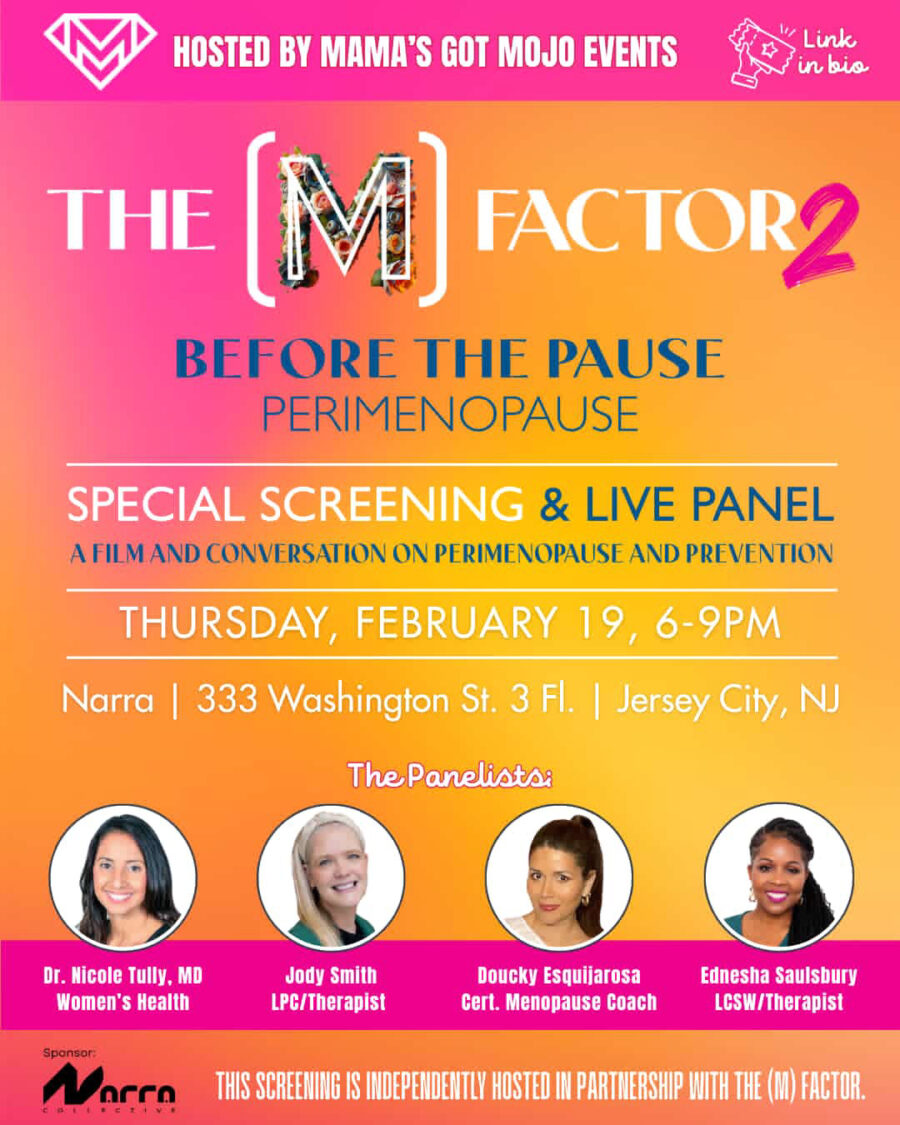
Dr. Nicole Tully joins an expert panel and Mama’s Got Mojo for a screening of The [M] Factor 2

Narra Collective 333 Washington Street, 3rd floor, Jersey City

Join Dr. Nicole Tully and Mama’s Got Mojo for a special screening of The M Factor 2. This powerful follow-up continues the groundbreaking work of the original film, shining a much-needed light on perimenopause, the critical and often overlooked transition that impacts women’s physical, mental, and emotional health years before menopause. Following the screening, Dr. Nicole Tully will join an expert panel for a dynamic post-film discussion.

Click on title to read more about this event and to find out how to get your tickets today.

TullyMD joins Best Self Mommas

Join us for an informative and empowering talk led by a physician on the hormonal changes that occur after childbirth and why they may feel surprisingly familiar.

During the postpartum period, many women experience dramatic hormonal shifts that can affect mood, sleep, energy, weight, and overall well-being.

In this talk, we’ll explore how these changes closely resemble the hormonal fluctuations seen during perimenopause, helping to normalize common postpartum symptoms and reduce confusion or self-blame.

TullyMD joins TakeaMOMent

Porta 135 Newark Avenue, Jersey City

Come learn more about TullyMD Women’s Health Concierge Medicine Practice and Take A MOMent. Free dinner and drinks will be served. Invitation required

Dr. Nicole Tully

about-drnicoletully

My name is Nicole Tully, MD and for almost 20 years, I have focused on Women’s Health and followed women throughout the course of their lives. The focus of my practice is to provide comprehensive and compassionate medical care for women starting in adolescence and continuing through menopause into their golden years. 

Top Links

79 Hudson Street, Suite 700  |  Hoboken, NJ  |  [email protected]  |  (201) 241-2626